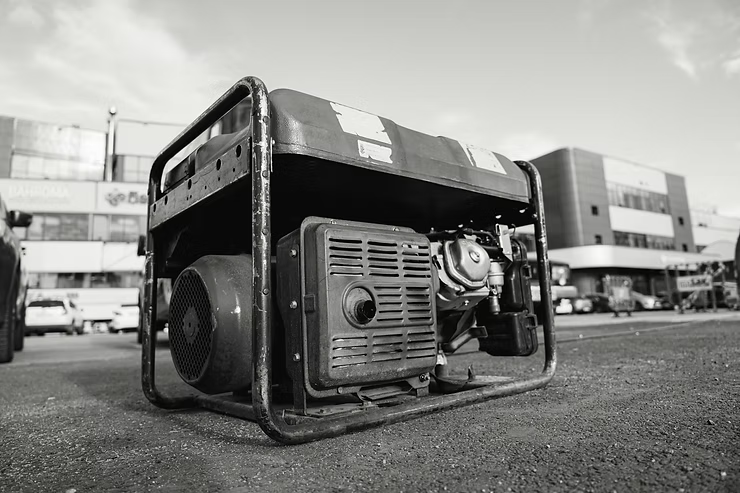
Power outages are a recurring part of life in Snohomish, King, and Skagit Counties. Windstorms can knock branches into lines, ice events can affect infrastructure, and service can be interrupted with little warning. For some homes, this is a minor inconvenience; for others, it can disrupt work, threaten stored food, or even affect health.
For homeowners considering a whole-home generator in Snohomish, the key question is not whether it is a luxury, but whether it is the right fit for the household and lifestyle. The information below outlines the main considerations to help determine whether a standby generator, a portable unit, or no generator is the most appropriate solution.
When a Whole Home Generator Makes Sense in Washington
In Snohomish, King, and Skagit Counties, power outage patterns vary significantly. Some neighborhoods experience occasional, short outages; others see multi‑day interruptions after fall and winter storms. The frequency and duration of outages in a given area is a major factor in deciding on a solution.
If power is typically restored within a few hours, before refrigerated and frozen food are at risk, a whole-home generator may be more capacity than is necessary. In contrast, where outages are longer and more frequent, the impact can escalate quickly: remote work becomes impossible, children may be home from school without reliable internet access, and there may be concerns about frozen pipes or loss of well water.
Households that tend to benefit most from a whole-home generator in these counties generally fall into one or more of these categories:
- Homes in areas with frequent or extended outages
- Individuals who work from home and rely on stable internet and power
- Households with medical devices that must remain powered
- Homes with well pumps or sump pumps where loss of power poses significant risk
Where these conditions do not apply, a more limited backup solution may be sufficient.
Key Questions to Ask Before Investing
Before comparing brands or sizes, it is important to clarify needs and expectations. The following questions can help determine whether a standby generator aligns with the home’s requirements.
First, how often does the neighborhood lose power, and for how long?
Consider:
- Recent storm seasons and how many outages occurred
- Remote work or school time lost due to power or internet interruptions
- Any instances of food loss, pipe damage, or flooding concerns
Next, identify what in the home is essential during an outage.
For many Snohomish homes, this may include:
- Heat source or furnace controls
- Well pump or sump pump
- Refrigerator and freezer
- Internet modem, router, and a small home office setup
- Critical medical devices or equipment
In contrast, full kitchen use, all lighting, or electric vehicle (EV) charging may be considered conveniences rather than essentials, depending on the household’s priorities. Creating separate lists for “needs” and “wants” can clarify expectations.
Finally, consider comfort level with ongoing maintenance.
A whole-home generator is a long‑term system that will require:
- Regular inspections and service
- A reliable fuel source, either propane deliveries or natural gas service
- Occasional repairs over its service life
Evaluating these points in advance reduces the likelihood of future surprises.
Benefits of a Whole Home Generator for Washington Homes
When a whole-home generator matches the home’s needs, the benefits are practical and safety‑oriented.
During extended outages, a properly configured system can:
- Maintain heating or cooling so the home remains habitable
- Keep lights and key outlets powered for safe movement
- Power phones, televisions, and internet equipment for updates and communication
Property protection is another significant advantage, particularly in rural parts of Snohomish County where wells are common.
A correctly sized standby generator can:
- Keep well pumps operating to ensure water supply
- Power sump pumps to help prevent basement flooding
- Reduce the risk of frozen pipes during cold weather
- Keep refrigerators and freezers at safe temperatures to protect food
Whole-home generators are typically paired with automatic transfer switches. When the grid fails, the system detects the loss of power, starts the generator, and transfers the home’s selected circuits automatically, usually within seconds. This eliminates the need to go outside in inclement weather to position equipment or connect cords, and it provides a more seamless transition.
What a Whole Home Generator Installation Involves
A safe, compliant generator installation requires thorough planning. The process typically begins with a site assessment.
An electrician will evaluate:
- The main electrical panel and any subpanels
- Locations of gas lines or propane tanks
- A suitable location for the generator with appropriate airflow
- Required noise clearances and distance from doors, windows, and neighboring properties
From there, the electrical and gas work is designed to meet code and safety standards. This usually involves permits, proper wiring, an automatic transfer switch, and grounding that complies with local codes in Snohomish, King, and Skagit Counties. The existing electrical panel will be reviewed to confirm that it can support the installation, or a panel upgrade will be discussed if needed.
On installation day, brief power interruptions are common while connections are made.
A professional installation crew should:
- Explain planned steps and any temporary power shutoffs in advance
- Maintain a clean and orderly work area
- Label and test circuits so the homeowner understands exactly what the generator will support
Upon completion, the system should be ready for startup, and its operation should be clearly explained so that basic maintenance responsibilities are understood.
Is a Whole Home Generator the Right Size for Your Needs?
Generator sizing is critical. An undersized unit may not support essential loads, while an oversized unit can result in unnecessary expense.
Proper sizing starts with a load assessment rather than an estimate.
Key factors include:
- Heating system type, well or sump pumps, and water heater type
- Kitchen appliances to be powered during an outage
- Any shop equipment or other significant electrical loads
Some homeowners choose to power nearly the entire home. Others opt for a partial‑home configuration that focuses on heat, water, refrigeration, and a few key rooms, allowing nonessential loads to remain offline during an outage. Planning for future additions, such as air conditioning, a hot tub, or additional EVs, can influence both generator capacity and panel layout.
A licensed electrician should be able to explain sizing options clearly and provide more than one appropriate capacity, rather than defaulting to the largest available unit.
Comparing Whole Home and Portable Generators
For some homes in Snohomish, King, and Skagit Counties, a portable generator can be a practical alternative.
Portable units generally have a lower upfront cost and can be suitable when:
- Outages are infrequent and short in duration
- The goal is to power only a refrigerator, a few lights, and perhaps a small heater or similar limited loads
- The homeowner is comfortable managing cords and fuel manually
However, portable generators involve tradeoffs. They must be moved into position, fueled, started, and connected, often during poor weather conditions. They do not start automatically, and placement must be carefully managed to avoid carbon monoxide entering the home. There are also significant safety risks if someone attempts to backfeed the home’s electrical system through an appliance outlet or other improper means.
Whole-home generators, by contrast, are permanently installed, hard‑wired, and integrated with a transfer switch, which addresses many safety and convenience issues. For homes with frequent or extended outages, or higher stakes due to work, health, or property concerns, the long‑term reliability of a standby system often provides greater value. For occasional and limited backup needs, a portable generator can still be an appropriate choice.
Evaluating how often power is lost, which loads must remain operational, and the level of hands‑on involvement the homeowner is comfortable with will help determine the most suitable type of generator for a home in Snohomish, King, or Skagit County.
Get Started With Your Project Today
If you are ready to protect your home from outages and improve your electrical system, we can help you plan the right solution for a whole home generator in Washington. At Machias Power and Plumbing, we will walk you through your options, timeline, and budget so you know exactly what to expect. As a Generac-authorized dealer, we install, maintain, and service standby generators for homeowners across the region.
Reach out today and let us know what you need, or contact us to schedule a consultation.