Power in your home does not always flow in a smooth, steady line. Storms, tree damage, and even normal utility work can send sudden spikes of voltage through the wires that feed your house. Many homeowners only find out about this when a fridge quits, a TV will not turn back on, or a newer heat pump starts acting strange after the lights flicker.
A power surge is a short burst of higher voltage that rides in on your electrical system. Lightning is one cause, but it is not the only one. Utility switching, problems on the grid, and large appliances turning on and off can all create surges that stress your wiring and equipment over time.
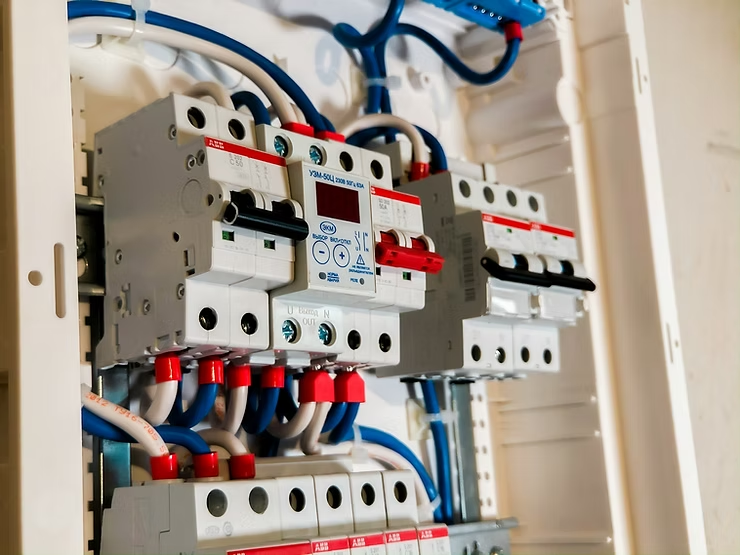
A whole-house surge protector in Snohomish, King, or Skagit County is designed to sit at your main electrical panel and act as a first shield. It helps protect HVAC systems, home electronics, well pumps, EV chargers, and all the smart gear that many homes now rely on. The key is not just installing any device but choosing the right one, putting it in the right place, and ensuring it is compatible with your panel and grounding system.
That is where thoughtful planning matters. Placement, panel type, and clear expectations will do more for your home than picking a random device off a shelf and hoping for the best.
How Whole-Home Surge Protection Actually Works
Power strip surge protectors and whole-home surge devices are not the same thing. A power strip is a plug-in unit that gives basic protection to whatever is plugged into it, usually a few outlets in one room. A whole-home unit is installed at your main panel and helps guard every circuit that feeds off that panel.
A surge protective device, often called an SPD, works by watching the voltage level. When it senses a spike over a set point, it gives that extra energy a faster, safer path to follow. Instead of letting the surge push its way into your house wiring, the SPD sends it down to the grounding system so it can be carried away.
In Snohomish, King, and Skagit Counties, surges can come from several common sources:
- Tree branches causing brief shorts on power lines
- Lightning strikes in the area, even if they do not hit your house
- Utility switching, repairs, and grid issues
- Large loads in your own home, like EV chargers, well pumps, air compressors, and mini-splits
There are a couple of myths that are worth clearing up:
- A whole-home surge protector does not make plug-in strips useless. For sensitive gear like computers, home theater systems, or gaming setups, layered protection at the outlet still makes sense.
- An SPD lowers the risk of damage but does not promise nothing will ever fail. It is one strong layer in a full protection plan.
For safety, an SPD needs to be a listed device, correctly matched to the size of your electrical service, and installed on a system with proper grounding. That combination is what lets it do its job when a surge arrives.
Best Placement for Maximum Protection and Clean Installation
Location is a big part of how well a whole-house surge protector works. The most effective spot is at or very near the main service panel, where power first enters the home. Short, direct wire runs help the device respond quickly and keep the surge from wandering into the rest of your circuits.
There are two general styles:
- Internally mounted units that snap in like a breaker inside the panel
- Surface-mounted units that sit next to the panel and connect with short wires or conduit
Internal units keep everything inside the metal panel cover, which can look very clean. Surface-mounted units give easy access to the device housing and indicator lights, and they work well when panel space is tight. Either way, neat conduit runs, clear labeling, and a tidy finish help keep your electrical system easier to understand and service in the future.
Grounding and bonding are just as important as device placement.
A whole-house surge protector in Snohomish works best when:
- The main grounding electrode system is sound
- All required bonds between water pipes, panel, and other systems are in place
- Connections are tight and free of corrosion
Many local homes have older panels or setups that need a bit of creativity to place the device while still meeting code. Subpanels in shops, barns, or additions are also common, and it often makes sense to review the whole layout before choosing where each SPD should go. Spring is a good time to handle this before heavier summer storms and higher AC loads arrive.
Panel Compatibility, Older Homes, and When Upgrades Matter
Not every panel pairs well with every surge protector.
During a home visit, an electrician will usually look at several details:
- Panel brand and model
- Service size in amps
- Number of free breaker spaces
- Condition of breakers, bus bars, and wiring
Some newer panels accept a dedicated surge breaker that clips in just like a normal breaker. Older or discontinued brands may not have a listed surge breaker option. In those cases, an external SPD mounted beside the panel is often the better choice.
In certain situations, panel age and condition can influence the plan. If a panel is crowded, has signs of overheating, or has had many added loads over the years, it may be smarter to talk about:
- Replacing or upgrading the main panel before adding surge gear
- Cleaning up double-tapped breakers or messy wiring
- Reworking how subpanels, shops, or additions are fed
This is especially common in mid-century homes that now support EV chargers, hot tubs, bigger HVAC systems, or home offices that did not exist when the house was first wired. Updating the panel can improve reliability, make space for surge protection, and give your system room to grow.
An honest electrical review will also include the flip side. If a panel is in good shape, safely sized, and has room, then a full upgrade might not be needed. In that case, the focus can stay on adding appropriate surge protection and correcting only what truly needs attention.
What to Expect on Installation Day
Homeowners often feel more relaxed when they know what is going to happen. A typical whole-home surge protector project follows a simple path.
First comes a brief visit or review to look at your panel, grounding system, and any special equipment such as generators, EV chargers, or shop subpanels. From there, you get a clear scope of work and a plan for where the device will be installed.
On installation day, you can expect:
- A quick walk-through to confirm the plan and answer last questions
- Power to be turned off for a period so the work can be done safely
- The SPD to be mounted and wired at or near the main panel
- Grounding and connections to be checked and tightened as needed
For many straightforward homes, installing a whole-house surge protector in Snohomish can be done in a relatively short window. If panel cleanup, breaker changes, or upgrades are part of the project, expect a longer visit.
During the job, good electricians take care to protect floors and work areas with drop cloths and clean up dust and debris when they are done. Clear labeling inside the panel and on the new device helps everyone understand what was added and what it protects. Before leaving, they should show you:
- Where the surge protector is located
- What the indicator lights mean
- What changes you might notice after a major surge event
After installation, simple visual checks now and then are helpful. If an indicator light changes from normal to a warning state, that is a sign to have the device checked. Regular electrical checkups before storm season or heavy summer loading can catch wear and tear early.
Most modern surge protectors come with a stated service life and warranty details. Keeping a record of the install date, device model, and location is useful for your own records and can help answer questions for future buyers who want to know how the home’s electrical system is set up.
Protect Your Home And Electronics With Professional Surge Protection
If you are ready to safeguard your entire electrical system, we can design and install a tailored solution for your home. Start by scheduling a consultation so we can determine the right whole house surge protector in Snohomish, King, or Skagit County for your panel, appliances, and sensitive electronics. At Machias Power and Plumbing, we focus on reliable installations that help prevent costly damage before it happens. If you have questions or want to book service, simply contact us and we will walk you through the next steps.